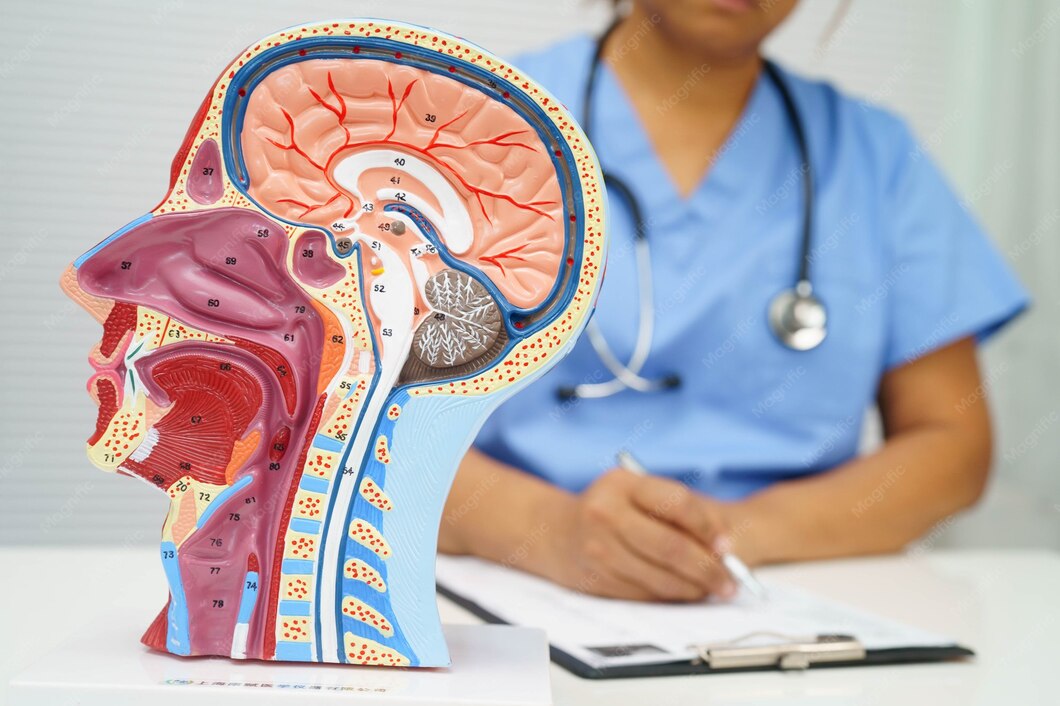

Best Cochlear Implant Surgeon in Electronic City
Severe to profound hearing loss can significantly affect communication, learning, and quality of life — but modern cochlear implant technology has transformed outcomes for both children and adults. Choosing an experienced Cochlear Implant Surgeon in Electronic City ensures accurate evaluation, precise surgical technique, and long-term hearing rehabilitation support.
A Cochlear Implant Surgery in Electronic City is recommended for patients who receive limited or no benefit from hearing aids. Unlike hearing aids, which amplify sound, a cochlear implant bypasses damaged parts of the ear and directly stimulates the auditory nerve — restoring the sensation of hearing.
Who Needs a Cochlear Implant?
Cochlear implants are suitable for:
- Children with congenital severe-to-profound hearing loss
- Adults with progressive or sudden sensorineural hearing loss
- Patients who get inadequate benefit from hearing aids
- Individuals with single-sided deafness (in select cases)
- Post-meningitis or trauma-related hearing loss
Early evaluation is especially important in children, since timely implantation supports better speech and language development.
Why Choose an Experienced Cochlear Implant Surgeon?
Cochlear implant surgery requires microsurgical precision, detailed pre-operative assessment, and structured post-surgical rehabilitation. An experienced Cochlear Implant Surgeon in Electronic City offers:
- Comprehensive hearing and radiological evaluation
- Personalized implant selection based on patient needs
- Minimally invasive surgical technique
- Coordinated post-operative mapping and auditory rehabilitation
- Long-term follow-up for both pediatric and adult patients
The Cochlear Implant Process
1. Pre-Surgical Evaluation
Before surgery, patients undergo detailed hearing assessments, imaging (CT/MRI of the temporal bone), and counseling to determine candidacy and set realistic expectations.
2. Surgical Procedure
The surgery involves placing an internal receiver-stimulator under the skin behind the ear, with an electrode array inserted into the cochlea. It’s typically performed under general anesthesia and takes a few hours, often as a day-care or short-stay procedure.
3. Activation and Mapping
A few weeks after surgery, the external speech processor is fitted and “switched on.” The device is then fine-tuned (mapped) over several sessions to optimize hearing clarity.
4. Auditory Rehabilitation
Speech and hearing therapy plays a critical role in helping the brain interpret the new signals, especially in children learning to listen and speak for the first time.
Benefits of Cochlear Implant Surgery
- Restored ability to hear speech and environmental sounds
- Improved speech and language development in children
- Better communication and social interaction
- Increased independence and confidence
- Enhanced overall quality of life
Pediatric Cochlear Implants
Children with congenital hearing loss benefit most from early implantation, ideally identified through newborn hearing screening. A skilled pediatric-focused cochlear implant team ensures age-appropriate evaluation, family counseling, and structured rehabilitation to support natural speech development.
Adult Cochlear Implants
Adults with progressive or acquired hearing loss can also regain significant hearing function through implantation, even after years of hearing aid use. Many adult patients report a marked improvement in conversation understanding, phone use, and overall communication confidence.
Related Services
Frequently Asked Questions
1. Who is a candidate for cochlear implant surgery?
Individuals with severe to profound hearing loss who get limited benefit from hearing aids, including both children and adults.
2. Is cochlear implant surgery safe?
Yes, it’s a well-established procedure with a strong safety record when performed by an experienced surgeon with proper pre-operative evaluation.
3. How long does recovery take?
Most patients recover within 1–2 weeks before the device is activated; full hearing rehabilitation continues over several months.
4. Can adults benefit from cochlear implants?
Yes, adults with acquired or progressive hearing loss often experience significant improvement in speech understanding and communication.
5. Is speech therapy necessary after implantation?
Yes, auditory-verbal therapy is essential, especially for children, to help the brain learn to interpret the new auditory signals effectively.
6. How soon should children with hearing loss be evaluated?
As early as possible — ideally following newborn hearing screening — since early intervention supports the best speech and language outcomes.
Conclusion
If you or your child has been diagnosed with severe hearing loss, consulting an experienced Cochlear Implant Surgeon in Electronic City is the first step toward restoring hearing and improving quality of life. With advanced surgical techniques, personalized care, and structured rehabilitation support, cochlear implants offer a life-changing solution for patients who don’t find sufficient benefit from hearing aids.